
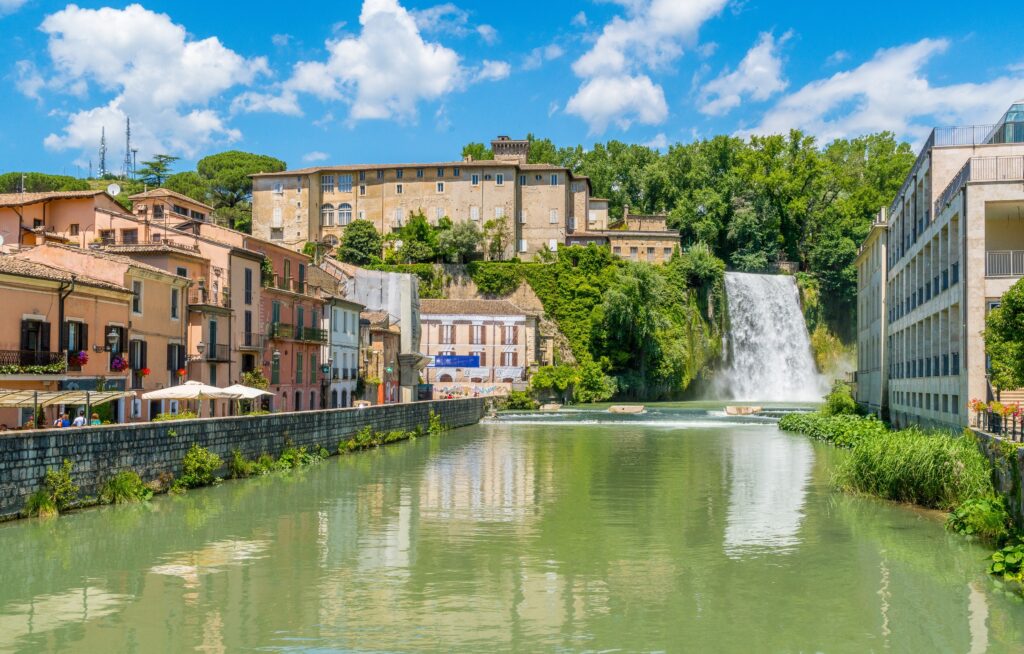
Frosinone: A Journey Through Ciociaria
From the bustling streets of Rome, I drive 75 km inland to Frosinone, a gateway to the Ciociaria region—a land rich in history, medieval villages,
Frosinone: A Journey Through Ciociaria Read More »
From the bustling streets of Rome, I drive 75 km inland to Frosinone, a gateway to the Ciociaria region—a land rich in history, medieval villages,
Frosinone: A Journey Through Ciociaria Read More »
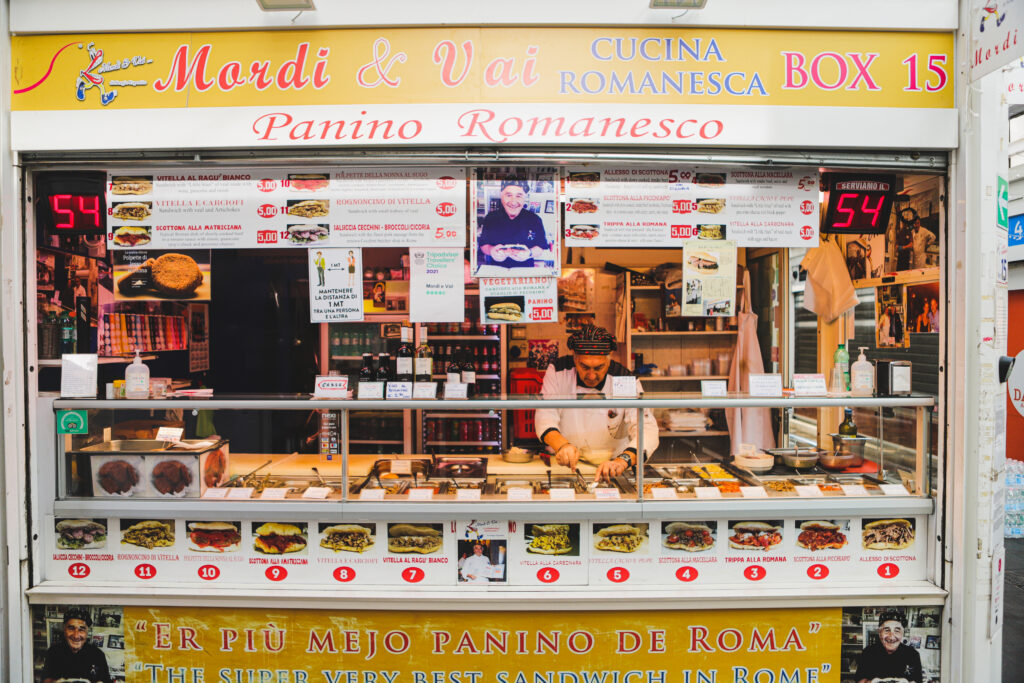
In 1891, the establishment of the Butcher’s House in the Testaccio district of Rome profoundly impacted Roman cuisine. The introduction of quinto quarto—the “fifth quarter”
The Butchery of Testaccio: A Taste of Roman Culinary History Read More »
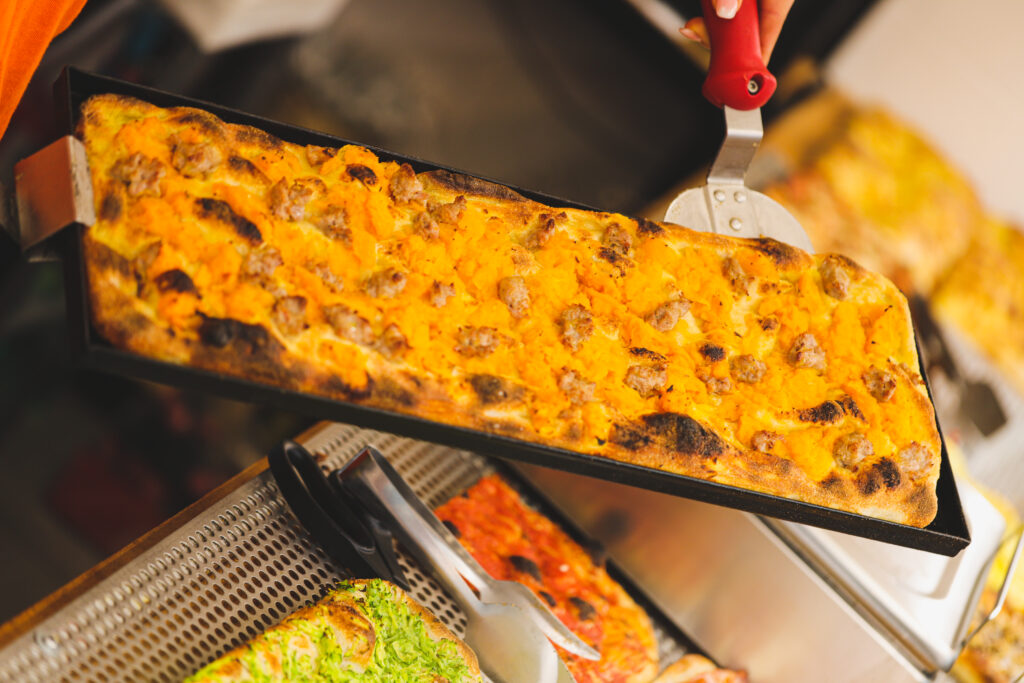
Pinsa, in its present form, is the creation of entrepreneur Corrado Di Marco, who has revived and commercialized an ancient dish. Long ago, it was
The Rise of Pinsa: Rome’s Ancient, Lighter Alternative to Pizza Read More »
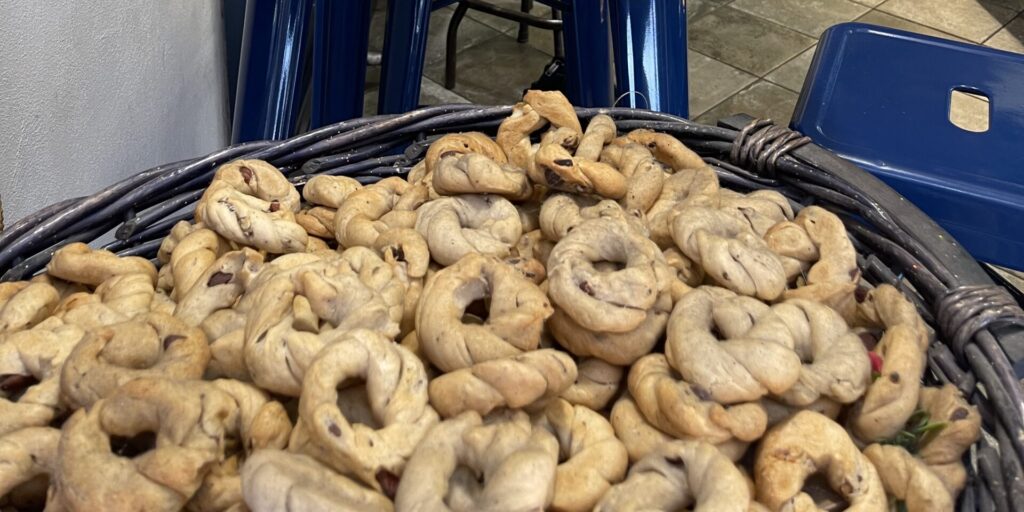
Taralli with lard, pepper, and almonds (‘nzogna, pepe e mandorle) are a traditional and beloved snack of Naples. These round, braided, and crumbly biscuits are
Tarallo ‘Nzogna, Pepe e Mandorle: Naples’ Beloved Biscuit Snack Read More »
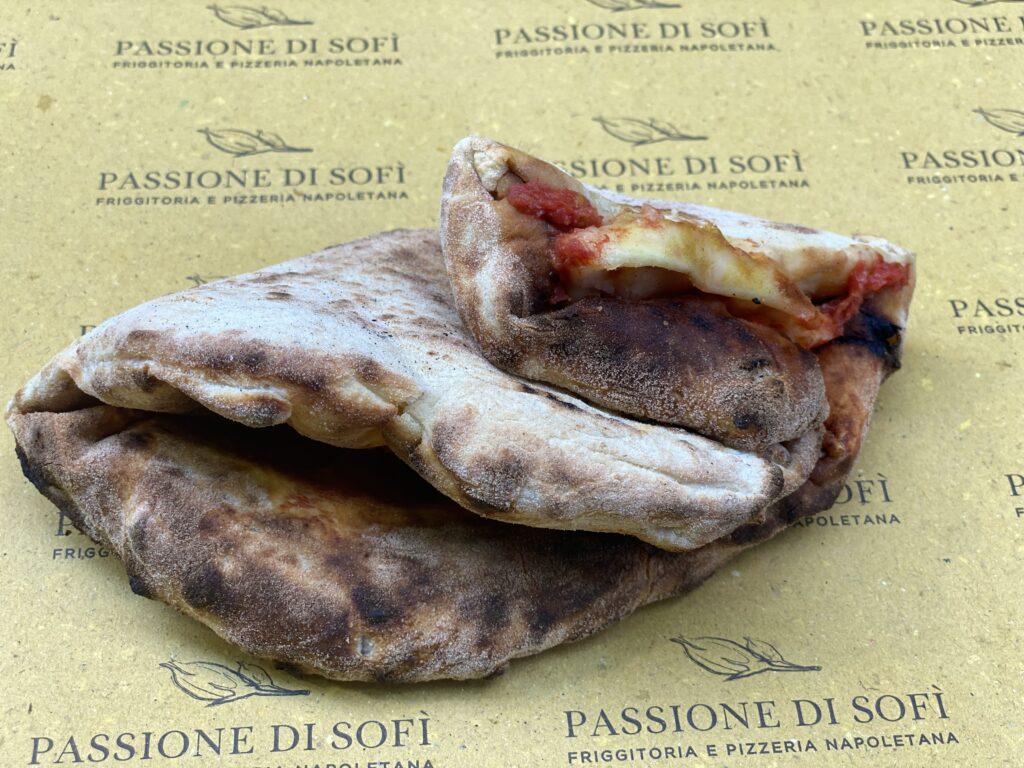
Naples is famously known as the birthplace of pizza, and the city boasts pizzerias on nearly every corner. Among the many local variations is the
Pizza Portafoglio: Naples’ Folded Pizza Tradition Read More »
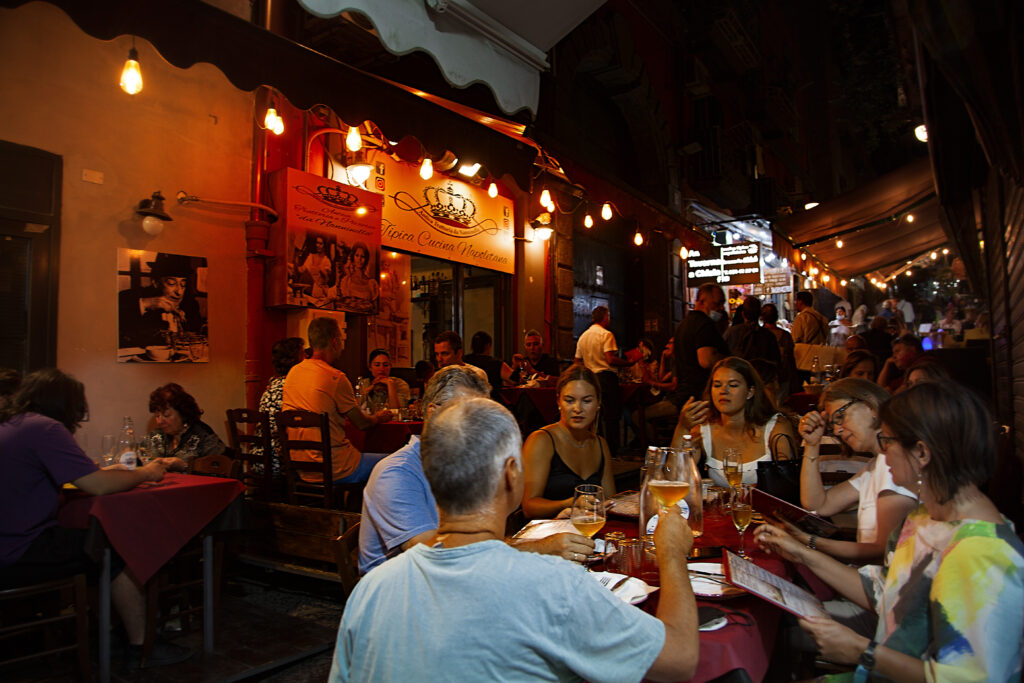
Naples is known worldwide as the birthplace of pizza, and some of its iconic pizzerias have been serving this beloved dish for over a century.
Historic Pizzerias in Naples: A Journey Through Time and Tradition Read More »
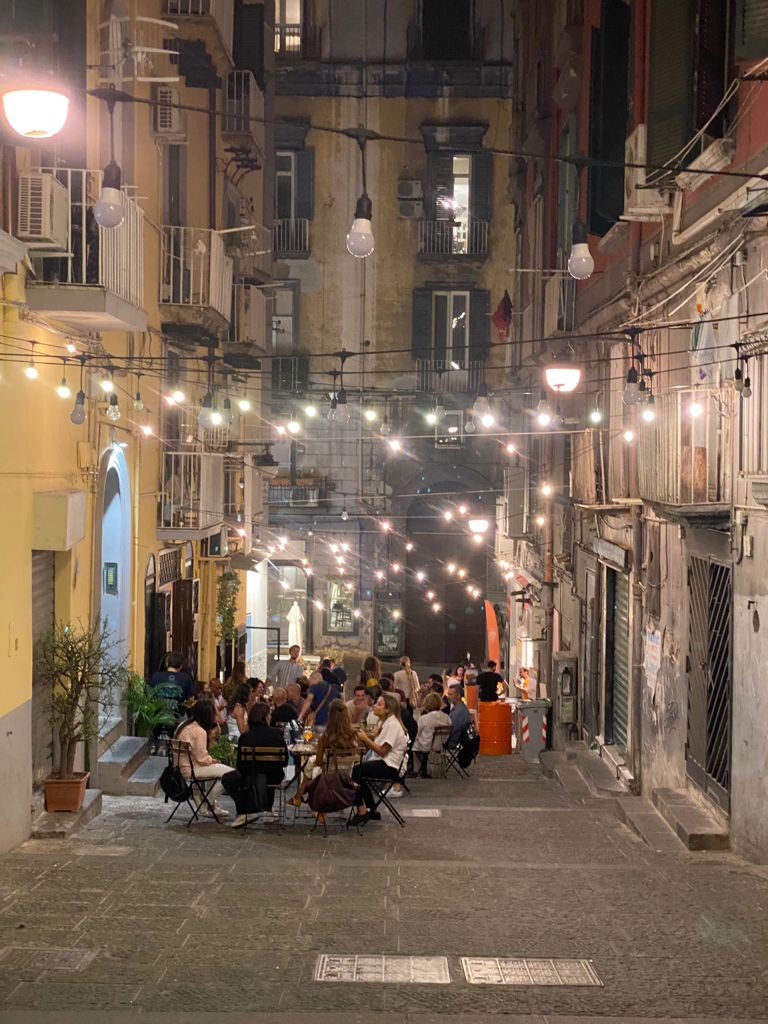
Historically, Neapolitan emigrants were mockingly nicknamed “mangiamaccheroni” (macaroni eaters). This name stemmed from their impoverished diet, which primarily consisted of macaroni and vermicelli. With limited
Mangiamaccheroni: From Poverty to Culinary Pride Read More »
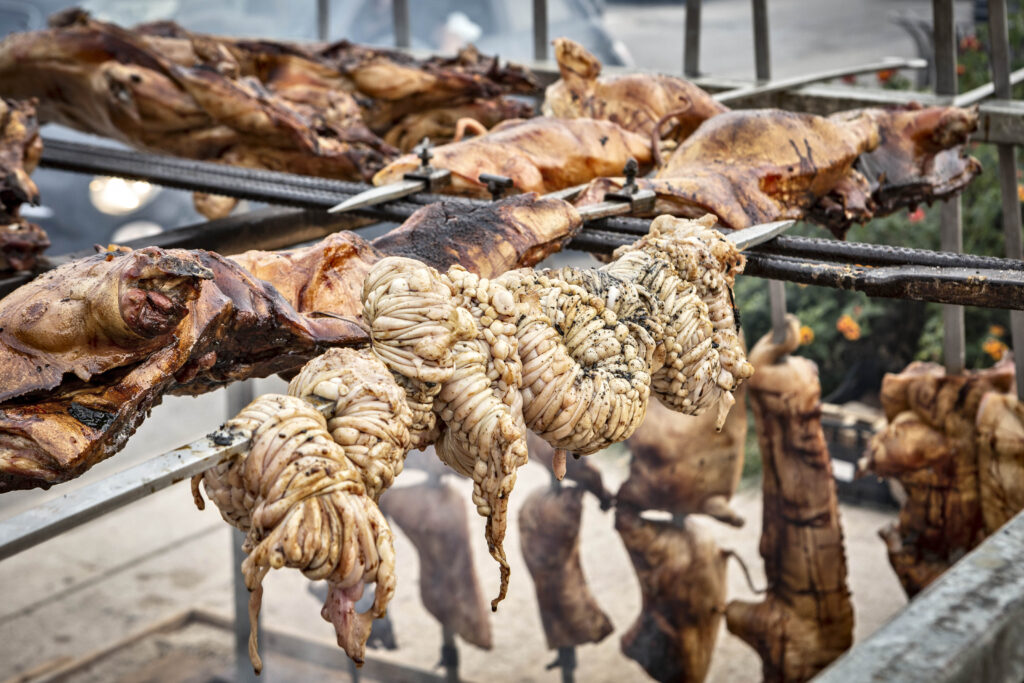
Sheep are a central symbol of Sardinian cuisine, representing thousands of years of tradition on the island. The native Sardinian breed of sheep, one of
Sardinian Sheep and Lamb: A Culinary Heritage Read More »
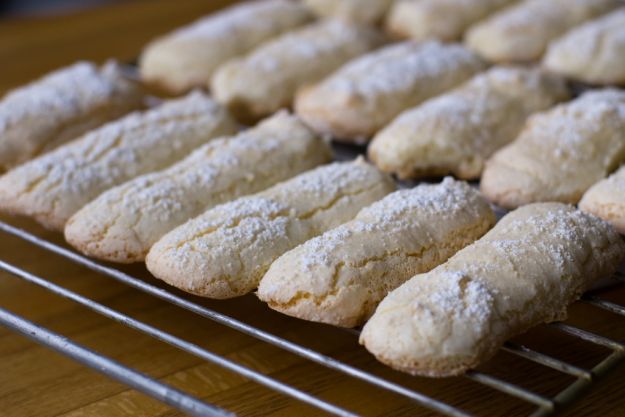
In the village of Fonni, nestled in the mountains of Sardinia, the local variation of savoiardi biscuits—known as pistoccus—is a cherished tradition. These long, finger-shaped
Pistoccus: Sardinia’s Savoiardi Tradition Read More »
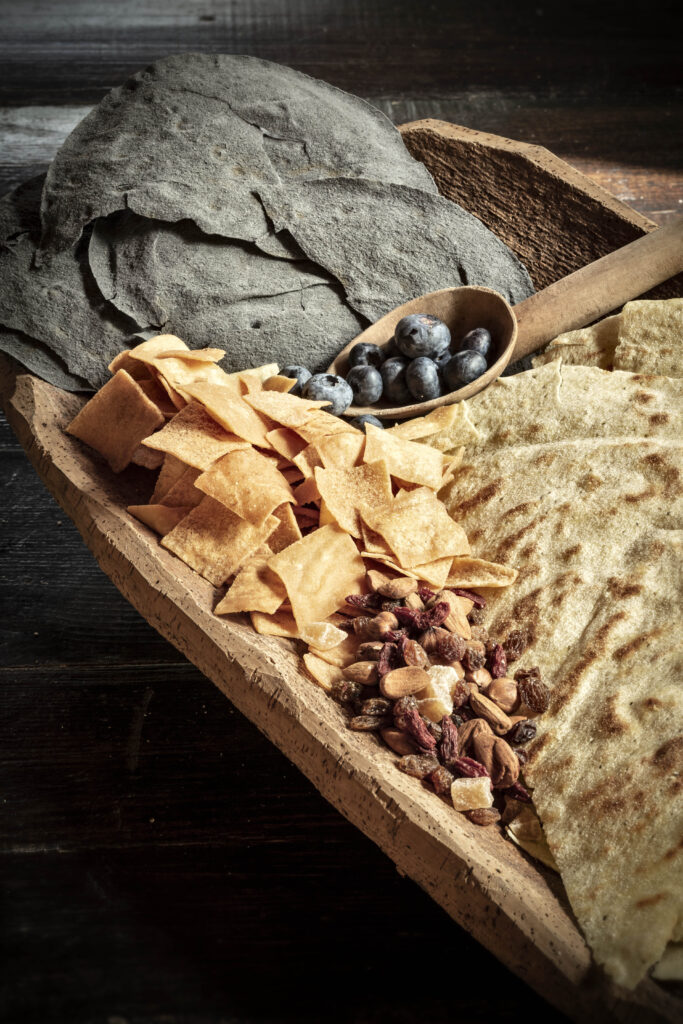
Semolina, derived from durum wheat, is one of the cornerstones of Sardinian cuisine. The island’s fertile lands produce high-quality wheat that has been the basis
Semolina in Sardinian Cuisine Read More »